
Reducing unnecessary site visits with useful visual records
Use visual spatial records to prepare better site questions and identify when a physical visit remains necessary, with real Novo venue and property examples.
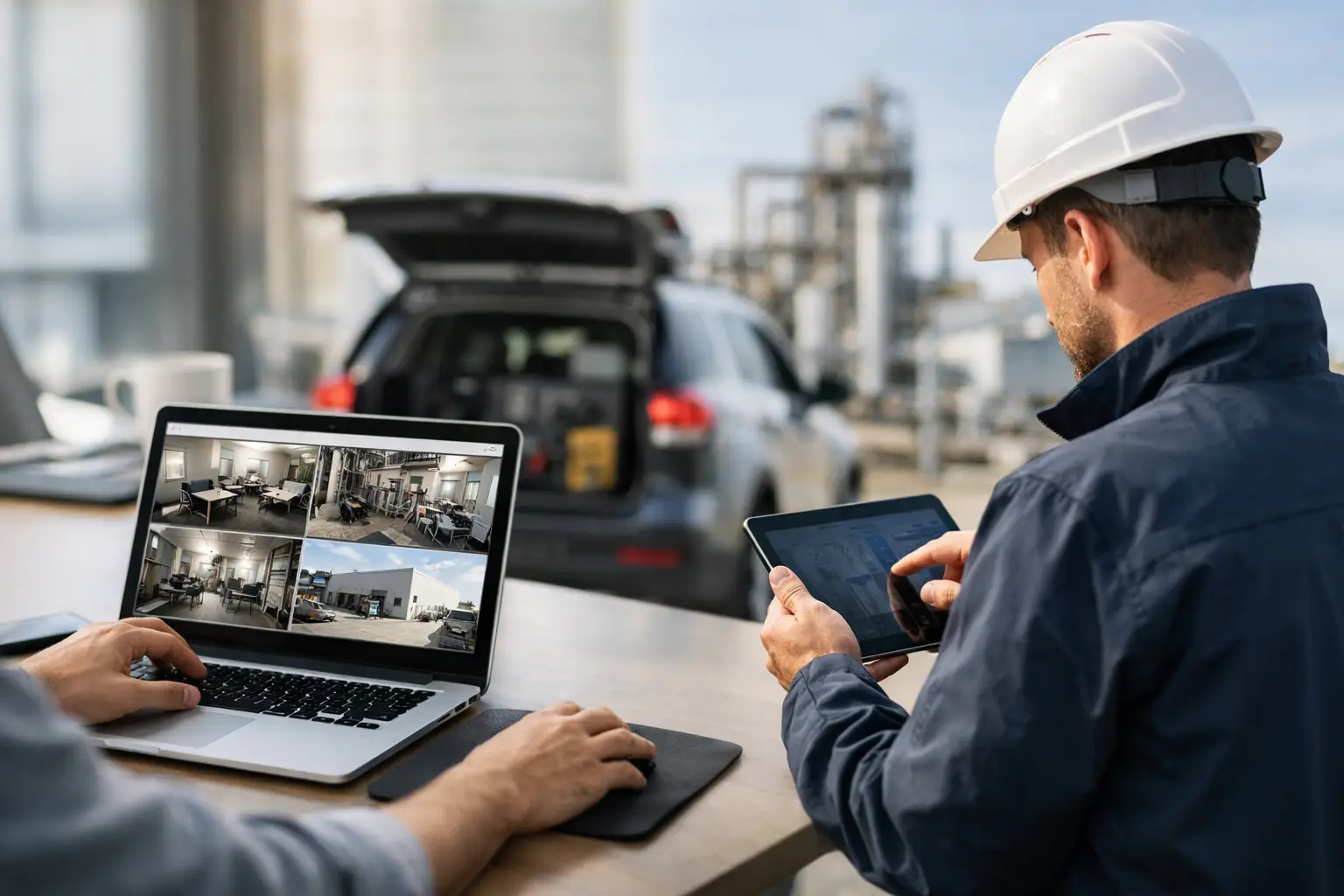
Use a visual record to resolve basic layout and context questions before travelling, then identify what still needs inspection on site. A tour can support preparation; it should not replace safety checks, technical verification or every physical visit.
Which questions can a tour answer before a site visit?
A site visit is expensive long before anyone arrives: travel, access coordination, safety briefings, disrupted operations and delayed decisions all add friction. The question is not whether to stop visiting spaces, but how to reduce site visits without creating uncertainty, missing detail or slowing approvals.
Most repeat visits happen because the first one did not give every stakeholder what they needed. A project manager checks progress, a designer needs clearances, a leasing team needs current visuals, an overseas investor wants to assess circulation, a facilities manager needs to locate an asset. Sending each person to site feels familiar but does not scale, especially on operating hotels, factories and large developments.
The fix is a digital-first process, not just attractive imagery. Start by separating visits that are physical by nature, such as final quality inspections and regulated checks, from those that are avoidable, such as feasibility reviews, design coordination, sales previews and maintenance planning. A targeted policy that removes low-value travel while protecting essential field work is far easier to adopt than a blanket cut.
Then capture the space once, at the right level of accuracy. A 360 tour or Matterport twin gives a clear self-directed view for marketing and orientation; LiDAR and Scan-to-BIM give architects, engineers and facility teams a shared spatial reference where measurement and renovation planning are involved. Capturing too little forces repeat visits; capturing more than the project can use adds cost.
The capture only delivers when people can use it in the moments that usually trigger travel. Label rooms, units and equipment, reference the same view during a coordination call, record issues against a location, and connect the model to the plans, specifications and asset records teams already rely on. A simple routine helps: capture at agreed stages, give controlled access, review remotely before approving travel, and document what genuinely needs physical verification.
Done well, fewer visits also make the remaining ones better, because a contractor studies access routes and a buyer completes a virtual walkthrough before arriving. Remote viewing has limits, since noise, vibration, live service performance and certain safety risks still need a person on site, and a twin captured before a major change is not a live record. The goal is not the lowest possible visit count, but fewer unplanned, low-information visits alongside faster, better-prepared decisions.
Key points
- Why repeated site visits become a business problem
- Identify which visits are truly necessary
- Capture once, at the right accuracy
- Build a simple remote review routine
Real Novo projects relevant to this guide
The venue and property projects provide published spaces for remote exploration. Their listings do not quantify trips avoided or establish that a remote visit replaces every inspection.
World Trade Centre Kuala Lumpur — Virtual Tour + Aerial 360° Content. Review venue layout and spaces for event shortlisting.
Explore World Trade Centre Kuala Lumpur ↗︎
The Fairway at Sebana Cove — Matterport 3D virtual tour. Explore the villa layout before a sales enquiry.