
Digital twins for convention centres: venue planning guide
Explore how digital twins for convention centres support remote venue review, with Novo examples from KLCC and World Trade Centre Kuala Lumpur.
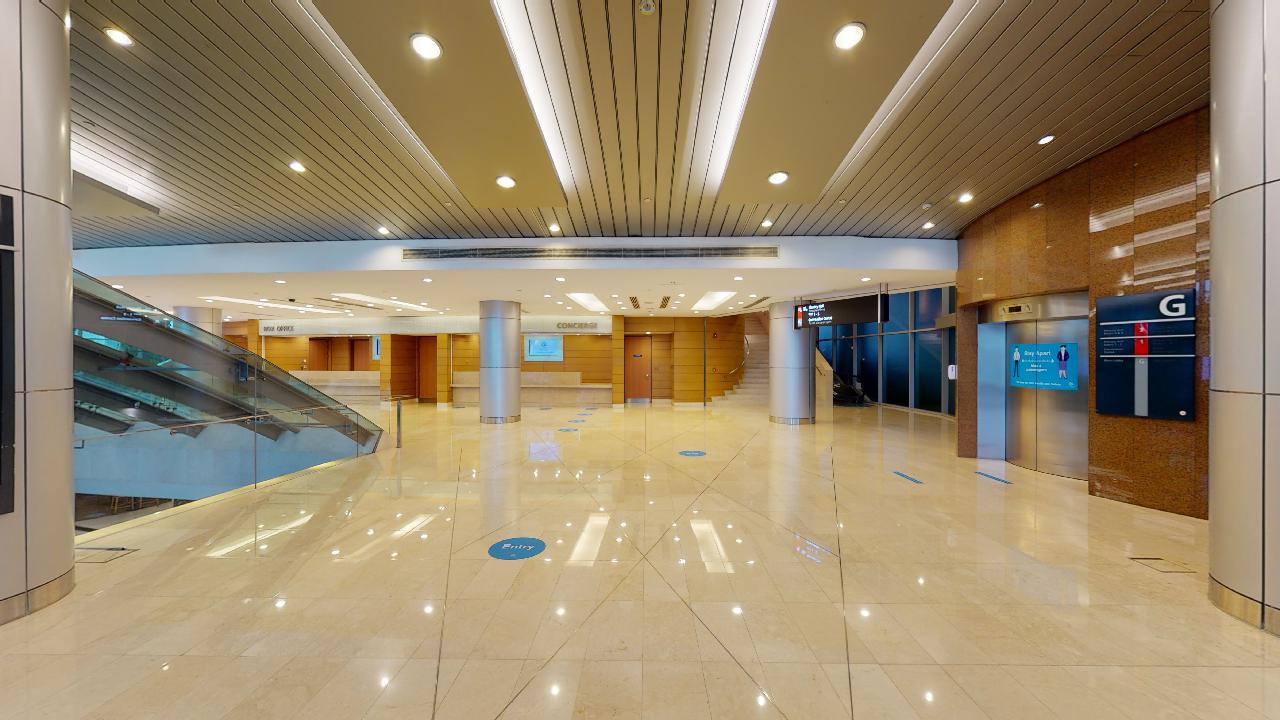
Digital twins for convention centres give organisers a shared visual reference for halls, foyers and circulation. They help teams prepare questions before a site visit. Confirm dimensions, capacities and technical requirements against venue-approved documents.
How can a convention centre digital twin support planning?
Start with how an organiser moves through the venue: arrival, registration, exhibition or meeting spaces, and connections between them. Show the context around a hall rather than leaving it as an isolated panorama.
A visual model can inform early discussions about layouts and access. It is not an approved capacity calculation, a fire strategy or a substitute for the venue technical team. Keep current floor plans and booking specifications available alongside it.
Real Novo Reperio project examples
Kuala Lumpur Convention Centre is a Novo Reperio project with Virtual Tour + Aerial 360° Content. Review event spaces and circulation before a site visit.
Explore Kuala Lumpur Convention Centre ↗︎
World Trade Centre Kuala Lumpur is a Novo Reperio project with Virtual Tour + Aerial 360° Content. Review venue layout and spaces for event shortlisting.
Explore World Trade Centre Kuala Lumpur ↗︎
Open the project pages to inspect the commissioned experience and its published scope.
What to confirm before commissioning the work
- Agree which halls, foyers and connecting routes need capture and which areas should remain private.
- Identify the person responsible for room names, technical sheets and updates after refurbishment.
- Test a planner journey on mobile: find a hall, inspect its surroundings and contact the venue with a specific question.
How to keep venue planning information current
Check hall names, transitions and links to technical information with the venue team. Revisit the tour after refurbishment or changes to access routes. Record the capture date so organisers know which conditions the visual reference represents.